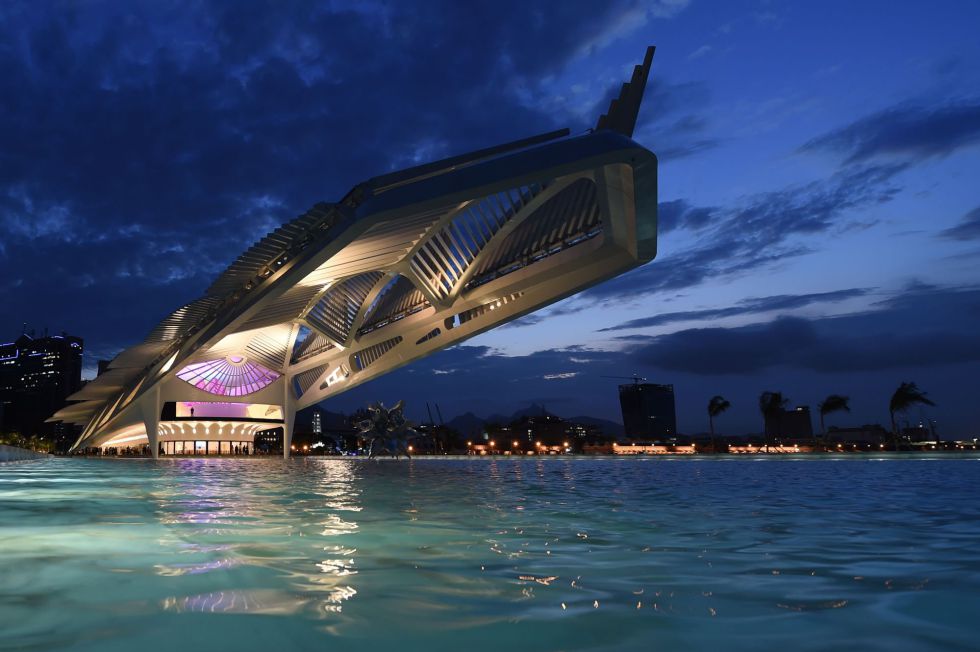
The global architecture of the future?
Global architecture is at a time when the most specialized critics of culture and institutional culture of the future seem to be revisiting the more restrained, humane and far removed architecture that accompanies the discipline a few years ago, before the 2008 crisis, The Last Turner Prize or character selection. such as David Chipperfield or Peter Zumthor as a mentor to Rolex Mentor and the Protégé Arts Initiative.
Previous show architecture, in exaggerated form and cost, rose to become a formidable media product, with a clear search for the so-called Guggenheim effect, facing and facing governments in crisis that decided not to continue or, outright, suspended them even before. Start. There is the case of the City of Justice in Madrid, with endless trials, or the Tokio Zaha Hadid stadium, whose design – previously known as underdeveloped – was defended by Patrik Schumacher via Facebook.
From this new perspective, only major sporting events seem to suffer another fate, even if they are always read with a certain critical eye. Against the opposition’s position which incurs excessive costs – economic and social – of the World Cup stadium in Brazil, we must increase the press attack on the conditions of the workers of the World Cup sports facilities in Qatar. Another great event that seems to continue on a high-cost path is the Olympics, an event closer to show, where a designated city can promote itself and show an image of modernity that allows it to become a commercial and tourist product.
In other words, sporting events, which remain important, are increasingly being pushed back and forth, destroyed by the benefits, generally for some, of the real estate project that has stirred controversy.
After the city was founded, positions for and against emerged. Supporting new investor arrivals, countering long-term fiscal costs and municipal debt. Rio de Janeiro and Tokyo, hosting the Olympics in 2016 and 2020 respectively, have fully experienced the necessary races, with the need to set quality time costs in advance; They not only face the challenge of building stadiums, but also improving transportation, hotels or recreational networks, building large museums that are also at the forefront of urban reform.
Thus, this week, it was announced from Japan that architects Kengo Kuma and Toyo Ito will build the main stadium, now known as Design A and Design B which is pragmatic, demonstrating a more moderate use of wood. of Hadid’s original proposal. Meanwhile, Rio de Janeiro inaugurated its newest museum with the bombastic name Museum of Tomorrow, a dynamic building, in its narrowest sense, with a moving facade designed by the favorite science fiction architect Santiago Calatrava (1).
Two public presentations offering two opposing views of architecture associated with major events and entertainment. An architecture that, despite its size, appears to be losing money, is connected to the traditional and faces challenges to prevent it from being criticized in the Zaha project. In the case of Brazil, with an economic and political crisis with various tensions in the government, we are witnessing the latest ruckus of a foreign star system architecture that is increasingly discredited, voluntarily exaggerated, and with an architect who is unable to erase controversy about their project. and the causes. lost complaints and lawsuits from professionals, politicians, and other civic groups.
It remains to be seen what will happen in one case or another, if both cities manage to forget the media focus of these events and have developed proposals that will allow them to go beyond simple photography.